









Virtual Fences and GPS Tracking: A Guide to Geofencing in 2026
May
The word “geofencing” sounds more complicated than it is. Strip away the jargon and it’s a simple idea: draw a line on a map, attach a GPS device to something you care about, and get a notification the moment that thing crosses the line. What’s changed in 2026 is how far the technology has come for ordinary people – the kind who just want to know their dog is still in the yard or their delivery van hasn’t gone off route.
| TL;DR GPS tracking shows you where something is; geofencing tells you the moment it stops being where it should be The technology works across pets, vehicles, children, elderly family members, and high-value assets. Active geofencing fires alerts in real time; passive mode runs quietly in the background with lower battery drain. The geofencing market is growing at 14.8% CAGR — the adoption curve tells you this has moved past novelty. |
What Is Geofencing and How Does It Work?
A geofence is a digital perimeter set around a real-world location. It can wrap around something as small as a parking spot or as large as a full delivery zone.
The technology runs on GPS, Wi-Fi, or cellular data, depending on the device and how much precision the situation calls for.
When a tracked device moves in or out of that area, it triggers a pre-set action. Like an SMS alert, a push notification, or a flag in a dashboard.
GPS has moved from broad city-level targeting to pinpointing locations within 100 meters or even a single building. For personal tracking, that kind of accuracy changes what the technology can do in day-to-day life.
The Numbers Behind Geofencing in 2026
The global geofencing market was valued at USD 3.22 billion in 2025 and is projected to reach USD 11.85 billion by 2034, growing at a CAGR of 14.8%.
On the device side, the GPS tracking device market stood at USD 4.04 billion in 2025 and is expected to cross USD 14.08 billion by 2035.
Growing awareness around pet safety has led owners to invest in GPS-enabled collars with real-time tracking and customizable geofencing features.
Where Geofencing Is Being Used Right Now
1. Pet tracking
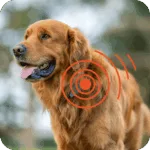
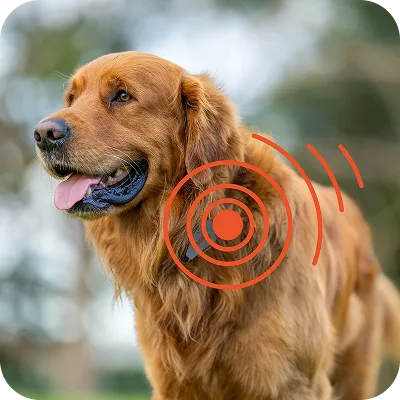
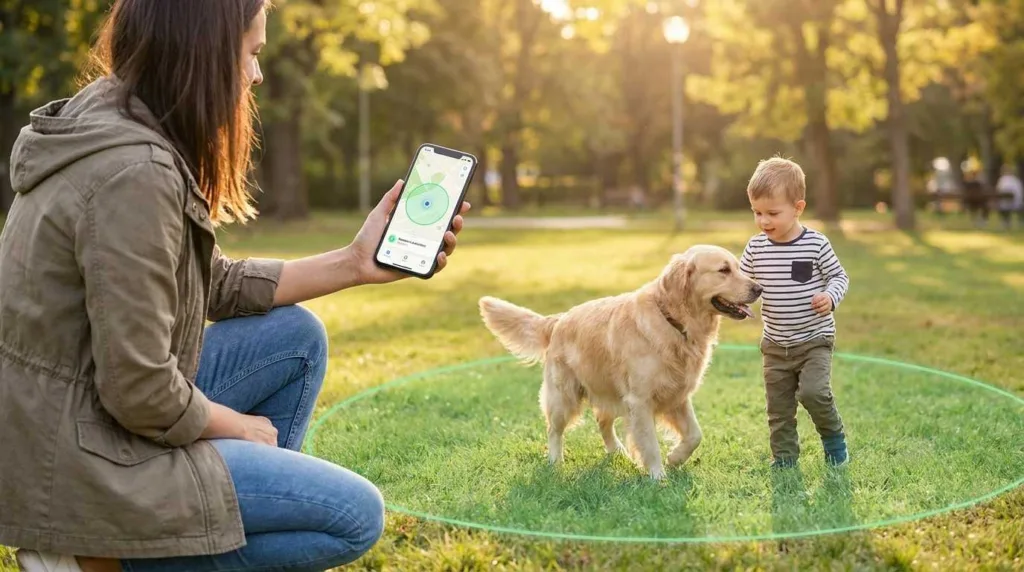
A geofence around your home means you find out your dog has slipped out before they’ve made it to the next street.
Paired with a GPS tracker on the collar, it’s one of the more quietly brilliant applications of the technology.
2. Personal safety
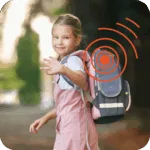
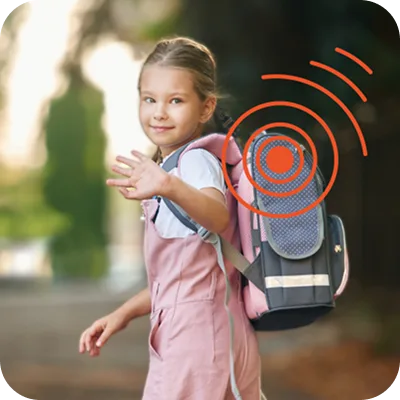
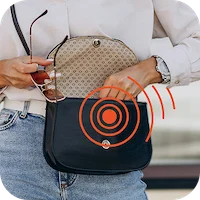
Parents set geofences around schools and familiar routes. Caregivers use them for elderly family members who may wander. The alert arrives before the worry has time to take hold.
3. Vehicle and fleet monitoring
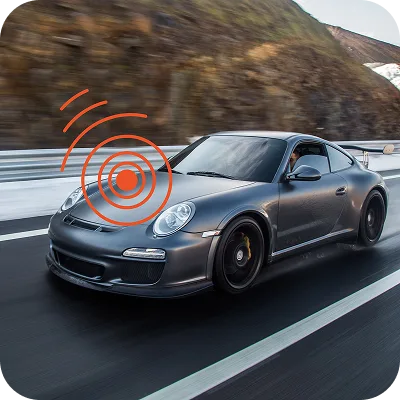
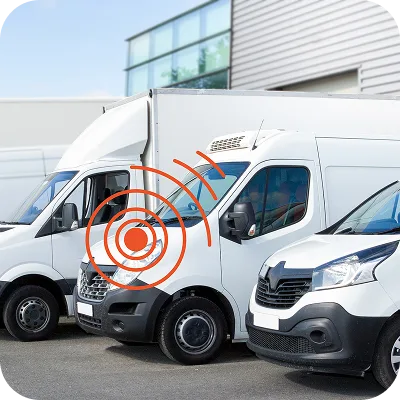
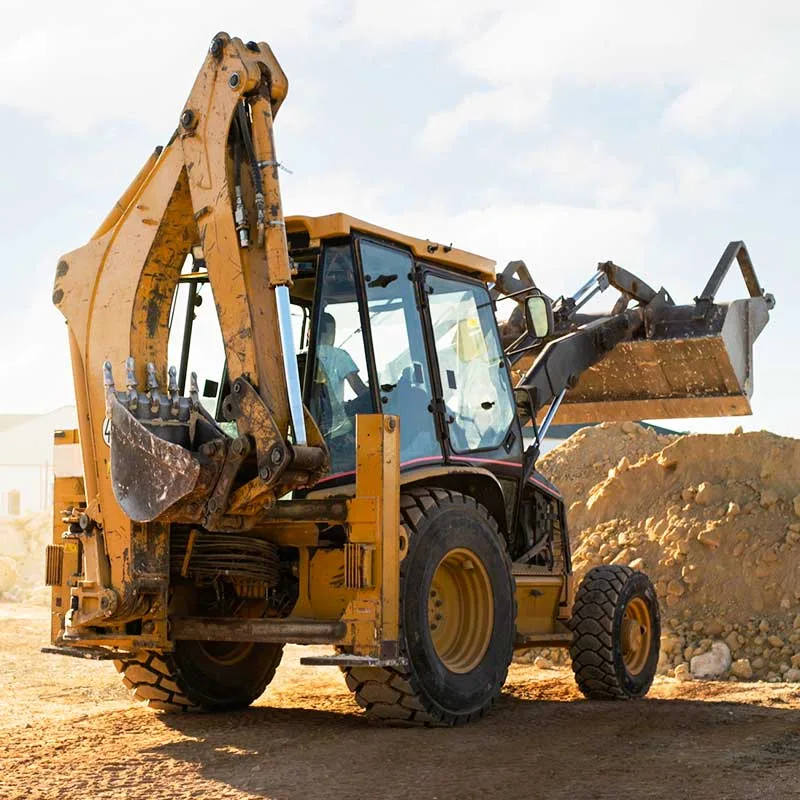
Vehicle and fleet monitoring: Fleet managers draw boundaries around routes and key stops. If a driver goes off-course or pulls into the wrong area, an alert goes out straight away.
4. Asset protection
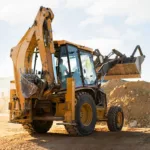
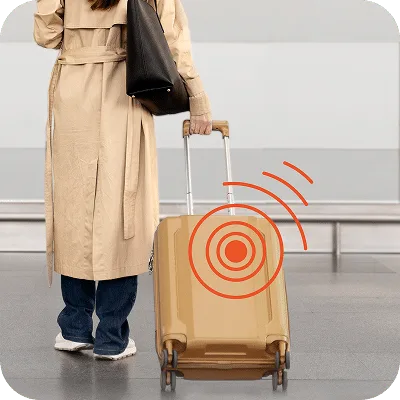
Losing track of expensive equipment or cargo is a costly problem. A geofence around a storage yard or job site means you find out the moment something leaves without permission.
If they leave a designated area, someone finds out immediately rather than at the end of a shift
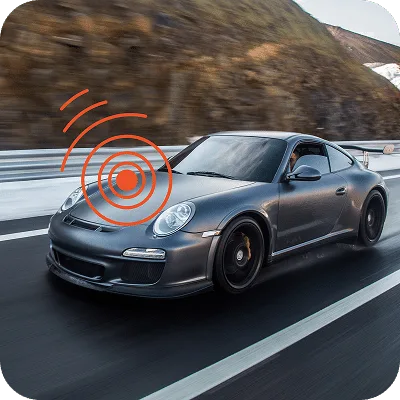
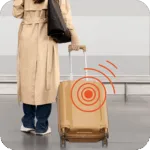
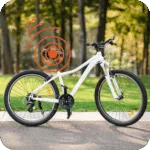
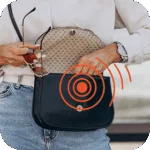
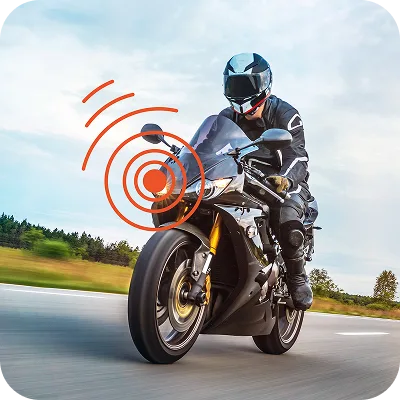
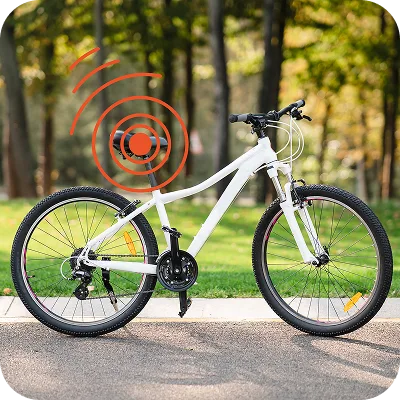
PAJ GPS covers all of these categories under one roof. Our tracker range spans cars, dogs, kids, motorcycles, delivery trucks, and equipment with geofencing built into every device and managed through the FINDER Portal.
And that’s where you set the zones, name them, and decide exactly how you want to be alerted.
Active vs. Passive Geofencing
Active geofencing is the go-to choice for logistics and fleet operations. Passive geofencing is catching up though, mostly because it uses less battery and runs quietly in the background.
For personal use, active geofencing is the one most people will want.
Setting Up a Geofence: What to Keep in Mind
Zones that are too tight trigger false alerts from ordinary GPS drift. Zones that are too wide leave you without enough response time.
For a home perimeter, 100 to 200 meters tends to work well. For vehicles on a fixed route, geofences around key stops make more sense than one large blanket zone.
Geofencing in 2026 is fast and useful for situations that used to rely on luck or constant checking. A well-placed virtual boundary does one thing well: it tells you when something has moved, the moment it happens, and gives you a real chance to respond while it still counts.
With PAJ GPS, the device comes ready to go and the FINDER Portal walks you through the rest. Try it risk-free for 30 days at paj-gps.com.