















GPS trackers are an integral part of our everyday lives; all the related technology has a firm grip on navigation, logistics and business. But many private individuals also use a GPS tracker because they are handy, reliable and easy to use. The tracking results are accurate and updated continuously. In this article, we are diving deep into how locators work, what costs to expect if you want to purchase such a device and also disadvantages of GPS tracker without subscription.
What “GPS Tracker Without Subscription” Actually Means
Here’s the confusing part: many devices advertised as “no monthly fee GPS trackers” aren’t full GPS trackers at all. They are Bluetooth item finders, RF trackers, or GPS trackers with prepaid or one-time data.
Bluetooth item finders (AirTag, Tile)
These are the most common “no subscription” devices. An Apple AirTag or a Tile tag uses short-range Bluetooth signals roughly 30 to 100 feet and needs a network of other phones to report a location when one happens to pass by. You can read about it here.
That works fine for keys, a bag, or a suitcase in a busy area. It does not give you live tracking. If your car is stolen and driven down an empty highway at 2 a.m., there are no phones around to relay its position, and you’re blind. AirTags also actively alert the person carrying them after a while, which makes them unsuitable for tracking a vehicle or a roaming pet.
Radio frequency (RF) trackers
RF trackers are a niche, older technology. They need a line of sight and a handheld receiver; they offer no app or location history, and have a short range. They show up in hobby and specialist use, but for everyday vehicle, pet, or family tracking, they’re rarely the right tool.
GPS trackers with prepaid or one-time data
This is the closest thing to a “real” no-subscription GPS tracker. The device has a genuine GPS and a SIM, but instead of a monthly plan, customers are given free prepaid data for the first year. When the prepaid window ends, you either pay to keep it online or the tracker goes quiet. So “no subscription” frequently means “no subscription for now.”
Understanding which of these three you’re actually buying is the single most important step. A Bluetooth finder cannot solve problems like if someone steals your vehicle or important items.
How Live GPS Tracking Works (the short version)
A GPS tracker receives signals from satellites to determine its position, then sends that position to your phone over a cellular network. Since it uses a cellular network, it requires cellular data, which is why real-time trackers involve a SIM and ongoing data costs in the equation. When you have an active connection, you unlock the features people actually want a tracker for: live location, geofencing alerts, route history, and notifications. Take away the data connection, and you take away all of it.
The True Cost: “Free” Isn’t Always Cheaper
The honest way to compare trackers is total cost of ownership over two to three years, not the price on the box.
A cheap “no monthly fee” device can look like a bargain on day one and turn into the more expensive option by year two — either because the prepaid data runs out and you start paying anyway, or because it simply can’t do what you needed and you end up buying a second, better tracker. “Free” that doesn’t do the job isn’t free; it’s a sunk cost.
No-Subscription GPS Tracker Comparison
| Option | Real-time? | Range | Ongoing cost | Best for |
| Bluetooth finder (AirTag/Tile) | No | ~30–100 ft, crowd network | None | Keys, bags, low-value items nearby |
| RF tracker | No (line of sight) | Short | None | Niche / hobby use |
| Prepaid-SIM GPS | Yes, until data ends | Cellular | You pay once the window expires | Short-term tracking |
| PAJ GPS (data included) | Yes, full | Cellular, wide-area | Bundled into the device | Cars, pets, kids, trailers — long term |
Best No-Subscription Options by Use Case
The right answer depends almost entirely on what you’re tracking and how far it might travel.
For cars and vehicles
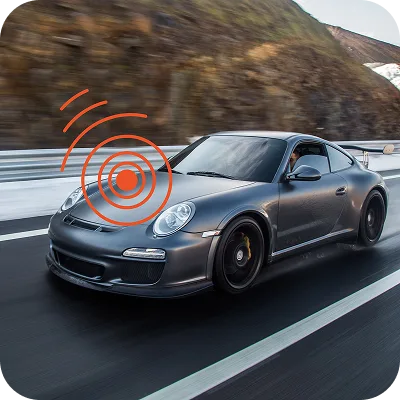
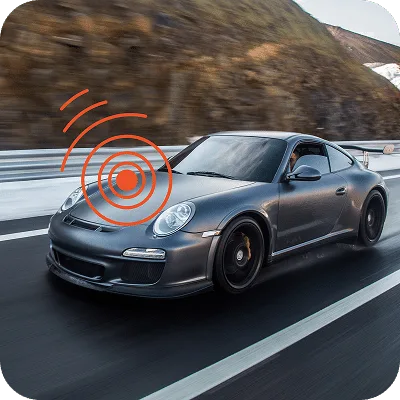
A car is the classic case where a Bluetooth finder fails. The whole reason to track a vehicle — recovering it after theft, knowing where a family member drove, monitoring a teen driver — depends on live, long-distance location, which crowd-network finders can’t provide once the car leaves a populated area.
If you genuinely want a GPS tracker for your car that you can rely on, look for real 4G GPS with the data sorted out up front. A prepaid-data OBD or hardwired tracker can work short-term, but for ongoing peace of mind a tracker with bundled data and theft alerts is the safer buy.
For elderly relatives
Tracking an older relative — especially someone living with dementia who may wander — is a safety matter, not a convenience. A no-subscription Bluetooth tag is the wrong choice here: if they leave the house and walk beyond the range of nearby phones, you lose them exactly when it counts. This use case needs live GPS with reliable alerts, and the modest ongoing data cost is small next to what it protects.
For trailers and assets
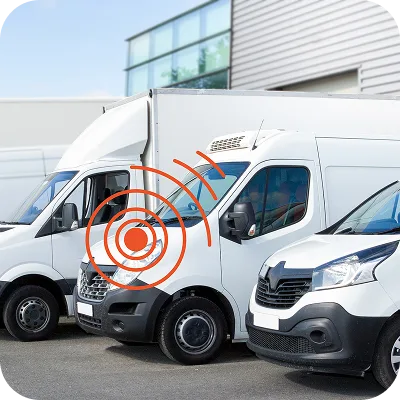
Trailers, caravans, and equipment sit unattended for long stretches and are high theft targets. A passive, no-data device might log a position but can’t tell you the moment something moves. For assets, the feature that earns its keep is an instant motion or geofence alert — a real-time tracker with a long battery life is far better suited than any “free” finder.
For dogs and pets
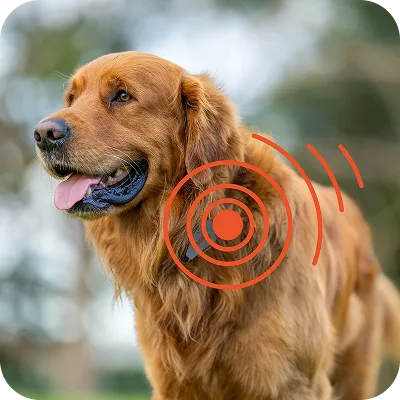
Be careful here: many so-called “dog trackers with no monthly fee” are just Bluetooth tags, which are a poor fit for a pet that can sprint out of Bluetooth range in seconds. A proper dog GPS tracker uses cellular data so you can follow your pet live, anywhere, and set a safe-zone alert. If your dog stays leashed in the yard a tag might do; if they roam, you want real GPS.
For bicycles
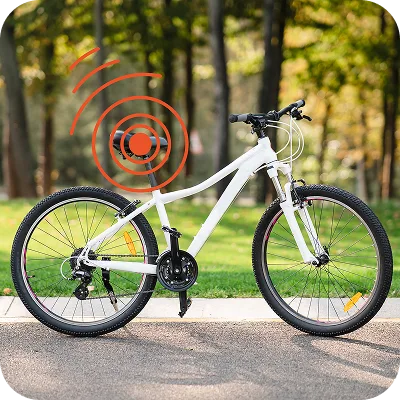
Bike theft is fast and opportunistic, so a bicycle GPS tracker lives or dies on whether it can report a live location while the bike is being ridden away. A concealed 4G tracker that keeps transmitting is worth far more than a tag that only pings when another phone wanders past.
When a Subscription Is Actually Worth It
For low-value items that stay near you, a no-subscription finder is genuinely fine — there’s no reason to pay for data to find your keys. But the moment the thing you’re tracking is valuable, mobile, or safety-critical, the picture flips. Live real-time location, wide-area coverage, theft recovery, geofencing with instant alerts, full route history, and ongoing support all depend on a data connection that someone has to fund.
PAJ’s approach is meant to be the best of both worlds: you get the full real-time feature set through the FINDER Portal, the SIM is included, and the cost is transparent and planned rather than a separate bill you forgot you’d agreed to. You’re not paying extra for tracking — you’re paying once for tracking that actually works.
Disadvantages of GPS Tracker without Subscription
Two tracker models are available in the market, one with a monthly subscription plan and one without any plan. At first, it seems to us as to why we should bother about buying a GPS tracker with a subscription plan. Why waste monthly money? A GPS Tracker without a subscription plan is a dead tracker. It can’t collect data from the server or have a powerful portal that shows accurate location compared to GPS trackers with a subscription. They collect data constantly in the device and save it with the portal of its server; the user can always request and view this via the portal. The user can view his data regularly and thus maintains an overview. You can also monitor and track multiple devices in your user account.
Limited features and functionality
The main problem with a GPS tracker without a subscription plan is that it is limited, as it only provides basic location tracking. Advanced features like real-time tracking, geofencing, and route history analysis are missing.
No Live updates
What is the actual use of GPS trackers for vehicles, pets, and persons? GPS trackers give real-time location updates without a cellular data connection to transmit location information. How can we know the actual time location without a subscription when the tracker is not having active data plan or provide live updates?
Service blackout and customer support
People who bought trackers without a subscription plan regularly complain about the lack of customer support they get. At times of service blackout, customers become clueless about what to do. A paid subscription plan includes technical support and assistance if you have issues with the device. Without a subscription, you are on your own for troubleshooting.
Battery Life is Compromised
If there is no subscription plan, there will not be any firmware updates that optimize power management. It can cause potential battery issues over time.
If you want to use the GPS tracker to protect your car, family, animals, and valuables with a GPS device, you should ideally use a device with a subscription. So you can be sure that the location is as precise as possible and that the personal data is well secured.
How PAJ GPS Tracker works
The latest technological advancement in GPS allows us to locate anyone and anything in a few minutes. We can broadcast our position and store location-related data on image files. GPS technology makes all of this possible. For this purpose, the GPS tracker serves as a receiver; it receives signals from GPS satellites at regular intervals. Based on the information transmitted and the time taken for its transmission, the device can determine its position and send it to the connected smartphone.
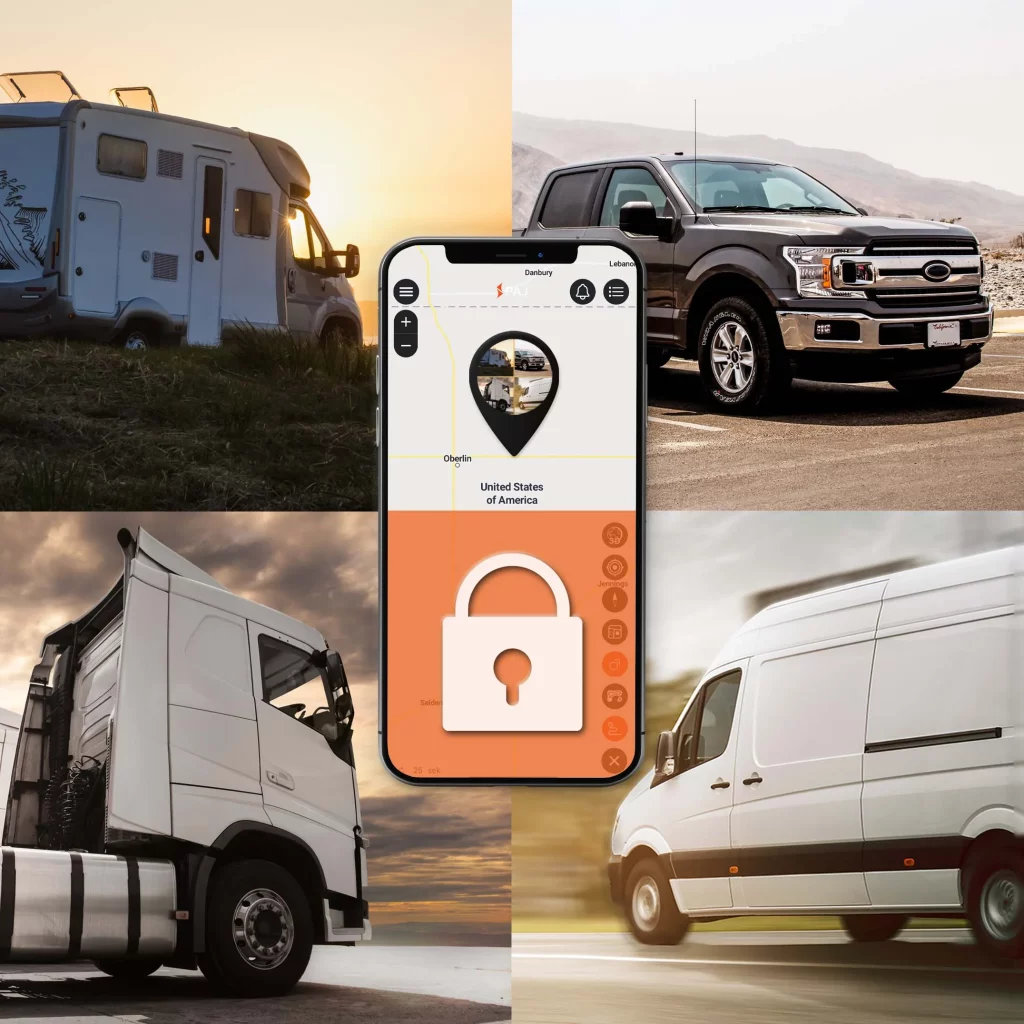
The tracking device is connected to a cell phone using the PAJ GPS Finder Portal mobile app. These devices are not limited to tracking, as there is also geo-fence, various alarms, and route history storage.



















 ES
ES IT
IT PT
PT AUS
AUS